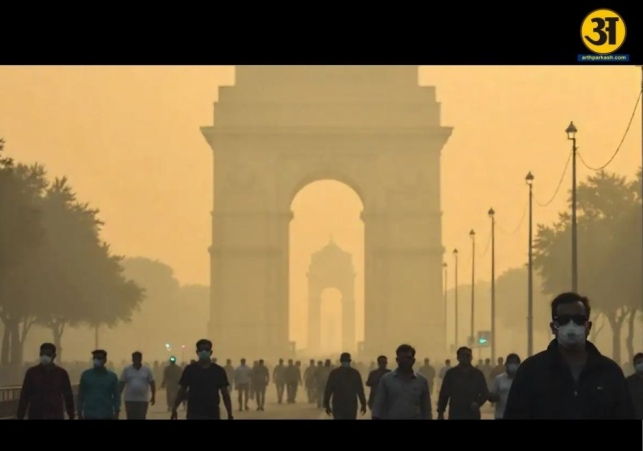
Toxic air quietly harms Delhiites’ bodies
Delhi’s deadly smog silently disrupts hormones and damages vital organs
Every winter, Delhi’s sky turns grey and the air becomes hard to breathe. The smog you see is only part of the problem — the real danger lies inside your body. Doctors say that polluted air is slowly changing the way our bodies work, affecting not just the lungs but also the heart, kidneys, brain, fertility, and even mood. This invisible epidemic is quietly rewriting the health of millions living in the city.
How toxic air damages your organs
Doctors from Fortis Hospitals warn that Delhi’s air pollution is now a full-blown health crisis. It affects people of all ages — from unborn babies to the elderly.
Kidneys under attack:
According to Dr. Bhanu Mishra, Consultant Nephrologist at Fortis Hospital, Shalimar Bagh, the fine particles in smog, called PM2.5, do not stop at the lungs. They enter the blood and cause inflammation, which harms the kidneys over time. People who already have chronic kidney disease (CKD) or are on dialysis face higher risks. Exposure to polluted air can make their condition worse, leading to faster kidney failure.
Dialysis patients are particularly affected because they must travel regularly through polluted air to reach hospitals. “Even a few hours of outdoor exposure can raise blood pressure and infection risk,” says Dr. Mishra. For many, this means their health declines more quickly than expected.
Heart health in danger:
Doctors also see more heart attacks and high blood pressure cases during winter months when Delhi’s air quality is poor. PM2.5 particles cause blood vessels to become stiff and inflamed, leading to higher chances of heart disease. “Air pollution creates the perfect conditions for heart attacks and strokes,” explains Dr. Surakshith T.K. from Fortis Escorts, Okhla.
For kidney patients, this becomes even more dangerous since heart problems are already common in them. But even healthy people can experience high blood pressure, irregular heartbeats, or chest pain during smog-heavy days.
Brain, mood, and fertility at risk:
Pollution also affects the brain. Neurologists say breathing toxic air for long periods can reduce memory power and increase the risk of anxiety, depression, and diseases like Alzheimer’s. Children growing up in polluted cities may never fully develop their brain or lung capacity. “Children exposed from birth are especially vulnerable,” warns Dr. Vinit Banga, Director of Neurology, Fortis Hospital, Faridabad.
The toxic air also interferes with hormones, harming fertility in both men and women. Dr. Puneet Rana Arora, an IVF specialist from CIFAR Gurugram, says that air pollution can cause irregular periods, miscarriages, and early deliveries in women. In men, it can reduce sperm count and quality. The tiny particles in smog damage reproductive cells and lower overall fertility.
Even skin health suffers. Dermatologists report that people develop more acne, rashes, and dullness during smog season. Pollution damages the skin’s protective layer and leads to early ageing.
ALSO READ: Good fat, bad fame: Doctor debunks six biggest myths about cholesterol
ALSO READ: How Noida International Airport is set to redefine travel and trade across northern India
The next generation is already affected
One of the most worrying effects of Delhi’s air crisis is on pregnant women and children. “Polluted air can cross the placenta and reach the baby,” explains Dr. Arora. This exposure can cause low birth weight, premature delivery, and developmental problems.
Children growing up in high-pollution areas often develop asthma, bronchitis, or weak lungs. Many of these problems become permanent, affecting their health for life. Doctors say Delhi’s hospitals are already seeing more children with breathing and developmental issues caused by air pollution.
Experts warn that this is not just a temporary problem — it’s a long-term public health disaster. When air pollution affects unborn babies and children, the damage continues across generations.
Small steps for protection
Doctors agree that Delhi’s air crisis can no longer be treated as a short-term or seasonal issue. “The body doesn’t separate the lungs from other organs — when the air is toxic, every organ suffers,” says Dr. Banga.
Until strong government action is taken, individuals can take small steps to protect themselves:
-
Wear a mask: Use an N95 or N99 mask when going outside, especially during morning and evening hours when pollution is highest.
-
Use air purifiers: Install HEPA filters at home to remove harmful particles from indoor air.
-
Avoid outdoor exercise: Skip jogging or cycling outdoors when the air quality index (AQI) is poor. Exercise indoors instead.
-
Eat antioxidant-rich foods: Include fruits and vegetables high in Vitamin C, Omega-3, and other antioxidants. These nutrients help your body fight inflammation and damage caused by pollution.
-
Stay hydrated: Drinking enough water helps flush toxins from the body.
Clean air should not be a luxury — it is a basic human right. Every breath we take should nourish us, not harm us. Until Delhi’s air improves, it’s important to stay informed, protect yourself, and demand stronger action for cleaner skies. Because when Delhi’s air turns toxic, it’s not just the lungs gasping — it’s the heart, kidneys, and future generations paying the price.
Related News